When it comes to maintaining a home, inspections play a crucial role in identifying potential issues before they turn into costly repairs. A home is often one of the biggest investments you’ll make, and protecting it is essential for long-term security and peace of mind. While home inspections provide a comprehensive assessment of your property, they often don’t delve deeply into every aspect of your roof’s condition. That’s where a specialized roof inspection comes in. By going beyond the basics, a roof inspection ensures that your home remains protected from potential damage, helping you maintain the longevity and safety of your roof. Understanding how these two inspections work together is key to protecting your investment and ensuring the health of your home.
What Does a Home Inspection Include?
A home inspection is designed to offer an overall evaluation of a property’s condition. It covers essential aspects like the roof, foundation, plumbing, electrical systems, HVAC, and potential safety hazards. The purpose is to provide an unbiased assessment of a home’s overall condition, helping homeowners or potential buyers identify any existing or future concerns. However, it’s essential to understand that while the roof is part of this inspection, it often receives only a superficial assessment.
Typically, home inspectors spend around 10% of their time on the roof, focusing mainly on visible problems such as missing shingles, apparent leaks, or sagging areas. They might perform a walk-around inspection from the ground, and if the roof is easily accessible, they may use a ladder to take a closer look. However, they don’t always have the training or experience to identify more profound, subtle roofing issues.
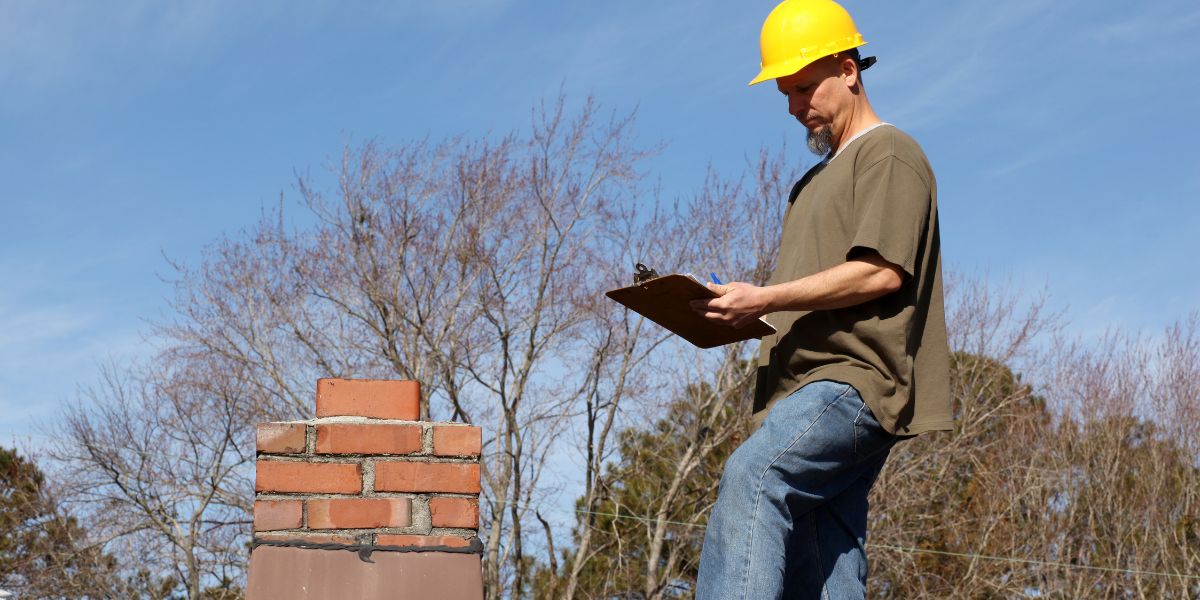
In contrast, a roof inspector specializes in roofing systems and has the expertise to identify the most minor signs of damage or deterioration that a home inspector might overlook. This expertise makes a separate roof inspection an invaluable complement to a standard home inspection, especially when it comes to ensuring the safety and durability of one of your home’s most critical parts.
How a Roof Inspection Complements a Home Inspection
A roof inspection offers a more thorough evaluation of your roof’s condition, ensuring potential issues are identified and addressed promptly. Here’s how it goes beyond what a home inspection typically covers:
- Thorough Assessment: A roofing expert will inspect every roof component, including shingles, underlayment, flashing, gutters, soffits, fascia, venting systems, and chimneys. They will look for signs of aging, wear, damage, and potential vulnerabilities. This attention to detail helps detect problems that might be missed during a general home inspection.
- Interior Inspection: Roof damage isn’t always visible from the outside. A professional roof inspector will check the attic, ceilings, and walls for signs of water intrusion, moisture buildup, mold growth, or pest infestations. These issues can go unnoticed during a general home inspection but can cause serious damage over time if not addressed.
- Material Inspection: A roof inspector examines the condition of the roofing materials, such as shingles, tiles, or metal panels. They check for discoloration, cracks, curling, missing pieces, rust, or signs of water infiltration. They will also assess the state of the flashing around roof penetrations, such as chimneys and skylights, which are common areas where leaks develop.
- Structural Inspection: A roof inspection includes a detailed analysis of the roof’s structural integrity. The inspector will check for sagging, damage to trusses and rafters, loose or deteriorated collar ties, and potential weaknesses in the overall framework. This level of detail is essential for identifying structural problems that could compromise your roof’s longevity.
A roof inspection addresses these aspects and provides a comprehensive understanding of your roof’s condition. It ensures that potential problems are caught early and resolved before they escalate into costly repairs.
When Should You Schedule a Roof Inspection?
Regular roof inspections are essential for preventing significant damage and costly repairs. Here’s when you should consider scheduling one:
- After Severe Weather Events: South Louisiana is no stranger to severe weather, including storms, hurricanes, and hail. These events can cause hidden damage that might not be visible from the ground, such as loose shingles, cracks, or leaks. Scheduling a roof inspection immediately after such weather ensures any issues are identified and addressed before they worsen.
- When Buying or Selling a Home: A roof inspection is invaluable during a real estate transaction. For buyers, it provides a clear picture of the roof’s condition and potential repair costs, helping them make an informed decision. For sellers, addressing roofing issues upfront can increase property value and prevent surprises during negotiations.
- Aging Roofs or Visible Signs of Damage: If your roof is approaching the end of its expected lifespan (typically 20-30 years for asphalt shingles) or if you notice water stains, missing shingles, or sagging areas, a professional roof inspection can help you
Common Issues Detected During Roof Inspections
Roof inspections can reveal problems that might not be apparent during a standard home inspection. Some of the most common issues include:
- Leaks and Water Damage: Leaks are often the first sign of a roofing issue, but they can indicate more severe problems, such as rotting wood, mold growth, or wet insulation. Roof inspectors conduct a full leak investigation to identify the source and extent of the damage, preventing further deterioration.
- Missing or Damaged Shingles: Shingles protect your home from the elements, and missing, curling, or cracked shingles can compromise that protection. Roof inspectors identify damaged shingles and recommend repairs or replacements to maintain the roof’s integrity.
- Poor Ventilation: Proper ventilation extends your roof’s lifespan and prevents moisture buildup. A roof inspection can identify deficiencies in the ventilation system, ensuring your attic remains cool and dry, which helps prevent damage to your roof and improves energy efficiency.
- Drainage Problems: Proper drainage is vital for preventing water accumulation on your roof, which can lead to leaks and structural damage. Roof inspectors check gutters, downspouts, and drainage systems to ensure they are clear and functioning correctly.
By identifying these issues early, roof inspections help homeowners avoid costly repairs and maintain their roofs’ structural integrity.
Benefits of Regular Roof Inspections
Engaging in regular roof inspections offers several benefits, including:
- Extending Roof Lifespan: Regular inspections allow you to catch minor issues before they become significant problems, which helps extend the life of your roof. Addressing issues early, such as small leaks or damaged shingles, prevents them from worsening and causing more extensive damage.
- Warranty Protection: Many roof warranties require regular inspections to ensure that necessary repairs are made promptly and covered under warranty. Without regular inspections, you could inadvertently void your warranty, leaving you responsible for expensive repairs.
- Financial Savings: Early detection of potential issues prevents costly repairs or replacements, saving you money in the long term. By investing in regular roof inspections, you can avoid unexpected expenses and prolong the life of your roof.

How to Choose a Roofing Expert for Your Inspection
When selecting a roofing expert, consider the following tips:
- Check Certifications and Experience: Ensure the inspector has proper certifications, licenses, and extensive experience in roof inspections. Roofing professionals with relevant training and certifications will likely provide accurate and reliable assessments.
- Read Reviews and Testimonials: Look for online reviews or testimonials from previous customers to gauge the quality of their work. This can help you find a reputable inspector who delivers excellent service.
- Ask About the Process: Find out if they provide a detailed inspection report, repair recommendations, and cost estimates. A thorough report should include photos, descriptions of any issues, and suggestions for repairs or maintenance.
A qualified roofing inspector will provide a thorough evaluation, ensuring that your roof is in the best possible condition.
While a home inspection provides a valuable overview of your property’s condition, it often falls short when assessing your roof’s health. A roof inspection offers the detailed analysis needed to identify hidden problems, protect your investment, and extend the lifespan of your roof. By opting for regular roof inspections, you gain peace of mind knowing that your home is safeguarded against weather, wear, and unforeseen damage. Be proactive and schedule regular roof inspections to ensure your home remains safe, secure, and well-maintained for years to come.